After the Birth: How Professional Training Programs Fail Providers and Families in the Weeks That Follow
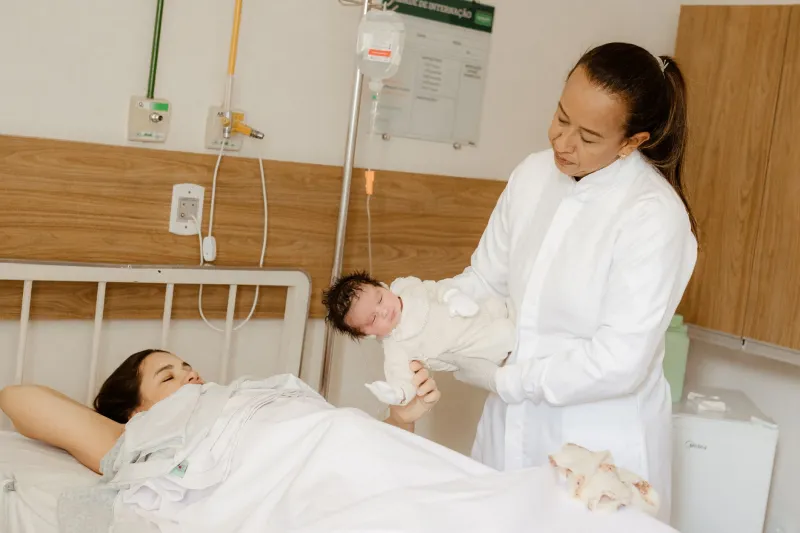
For most professional training programs in maternal health, the story ends when the placenta is delivered. Curricula that dedicate hundreds of hours to intrapartum physiology, fetal monitoring, and labor support routinely compress the postpartum period into a handful of lectures—if it receives dedicated instruction at all. The result is a generation of providers who arrive at the bedside of a newly delivered patient equipped with sophisticated clinical knowledge about birth and almost no structured preparation for what comes immediately after.
This is not a minor oversight. The six to twelve weeks following delivery—now widely referred to as the fourth trimester—represent a period of profound physiological reorganization, psychological vulnerability, and social transition for birthing people and their families. When providers are underprepared to navigate these realities, the consequences range from missed diagnoses and inadequate support to preventable maternal morbidity and mortality.
A Curriculum That Stops at Delivery
The imbalance in how training programs allocate instructional time is well documented. Studies examining midwifery and nursing education in the United States consistently find that postpartum content receives disproportionately less coverage than antepartum and intrapartum topics. In many programs, postpartum education is folded into broader obstetric modules rather than treated as a discrete clinical domain requiring its own competency framework.
This structural subordination sends a message—intended or not—that what happens after birth is less technically demanding, less clinically significant, and therefore less worthy of rigorous preparation. That message is wrong. The postpartum period carries its own constellation of risks, assessment challenges, and intervention opportunities that require targeted training to recognize and address competently.
Consider the physiological scope alone. Uterine involution, lochia assessment, perineal healing, cardiovascular recalibration, and the hormonal shifts that accompany the cessation of placental function all unfold on timelines that vary considerably between individuals. A provider who cannot confidently distinguish normal postpartum recovery from early signs of hemorrhage, infection, or thromboembolic complication is not adequately trained—regardless of how proficient they are at managing labor.
Postpartum Mood Disorders: The Recognition Problem
Perhaps nowhere is the curriculum gap more consequential than in the identification and initial management of postpartum mood disorders. Perinatal mood and anxiety disorders (PMADs) affect approximately one in five birthing people in the United States, making them among the most common complications of the childbearing year. Yet survey data from maternal health providers routinely reveal low confidence in screening, limited familiarity with validated assessment tools such as the Edinburgh Postnatal Depression Scale, and uncertainty about when and how to initiate referral.
This is a training failure. Postpartum depression, anxiety, OCD, and—most urgently—postpartum psychosis are not rare events that providers might encounter once or twice in a career. They are common clinical presentations that every midwife, nurse-midwife, and obstetric provider will encounter repeatedly. Training programs that treat PMAD recognition as supplementary content rather than a core competency are producing graduates who are not equipped to protect their patients.
Comprehensive fourth trimester education must include structured instruction in universal screening protocols, the differential presentation of PMADs across diverse populations, cultural factors that influence how distress is expressed and help-seeking is approached, and clear clinical pathways for referral and follow-up. This content belongs in every maternal health training program, not as an elective module but as a graduation requirement.
Lactation as a Clinical Competency, Not a Bonus Topic
Lactation support presents a similar pattern. Breastfeeding initiation rates in the United States have improved over recent decades, but early cessation remains common, and a significant proportion of people who discontinue breastfeeding report that they did not receive adequate support from their healthcare providers. This is partly a resource problem—access to International Board Certified Lactation Consultants is uneven across care settings—but it is also a training problem.
Providers who graduate without a working knowledge of latch assessment, common breastfeeding complications such as engorgement, mastitis, and nipple trauma, and the evidence base for milk supply management are unable to offer meaningful support during the critical early postpartum days when patterns are established. Training programs need not produce lactation specialists, but they must produce providers who can conduct a basic breastfeeding assessment, identify when additional support is warranted, and communicate evidence-based information without inadvertently undermining a patient's confidence or autonomy.
For providers working with formula-feeding families, the curriculum gap is often even more pronounced. Instruction on safe formula preparation, responsive feeding practices, and the emotional dimensions of infant feeding decisions is rarely addressed in any systematic way, leaving providers poorly equipped to support families whose feeding choices differ from dominant clinical recommendations.
Identity, Recovery, and the Whole Person
Physiological and clinical competencies are necessary but not sufficient. The fourth trimester is also a period of profound identity reorganization. The transition to parenthood—or the addition of another child to an existing family—reshapes relationships, self-perception, and social roles in ways that have direct implications for patient wellbeing and help-seeking behavior.
Training programs that focus exclusively on physical recovery miss an entire dimension of postpartum experience that shapes how patients interact with the healthcare system. A person who feels unrecognized in their emotional experience of new parenthood may disengage from follow-up care, fail to report concerning symptoms, or delay seeking help for a developing mood disorder. Providers trained to ask about sleep, pain, and bleeding but not about how a patient is experiencing the transition to parenthood are offering incomplete care.
This does not require training providers as therapists. It requires training them to ask open-ended questions, to listen without judgment, and to recognize the markers of a patient who is struggling beyond the parameters of a standardized screening tool. These are clinical skills. They can be taught, practiced, and assessed.
Building a Fourth Trimester Framework
What would a genuinely comprehensive fourth trimester curriculum look like? At minimum, it would include dedicated instructional hours—not embedded footnotes—covering postpartum physiological assessment, PMAD screening and response, infant feeding support across modalities, recognition of postpartum complications including hypertensive disorders and wound infections, and the psychosocial dimensions of the postpartum transition.
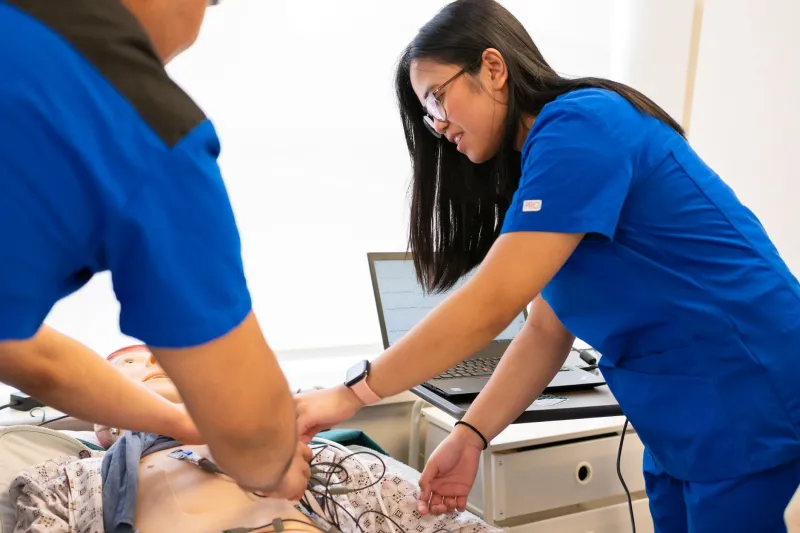
It would incorporate simulation and skills practice, not just didactic content. It would include instruction on the social determinants that shape postpartum recovery, recognizing that access to housing stability, partner support, paid leave, and culturally congruent care profoundly affect outcomes. And it would establish clear competency benchmarks so that graduates can be assessed on postpartum knowledge and skill with the same rigor applied to intrapartum performance.
Programs that are serious about producing competent maternal health providers cannot continue to treat the postpartum period as a secondary concern. The weeks after birth are not a denouement—they are a distinct clinical chapter with their own demands, their own risks, and their own opportunities to meaningfully shape the health trajectories of birthing people and their families.
The curriculum must reflect that reality.