Routine Cuts, Preventable Harm: How Episiotomy Persists Despite Decades of Contrary Evidence
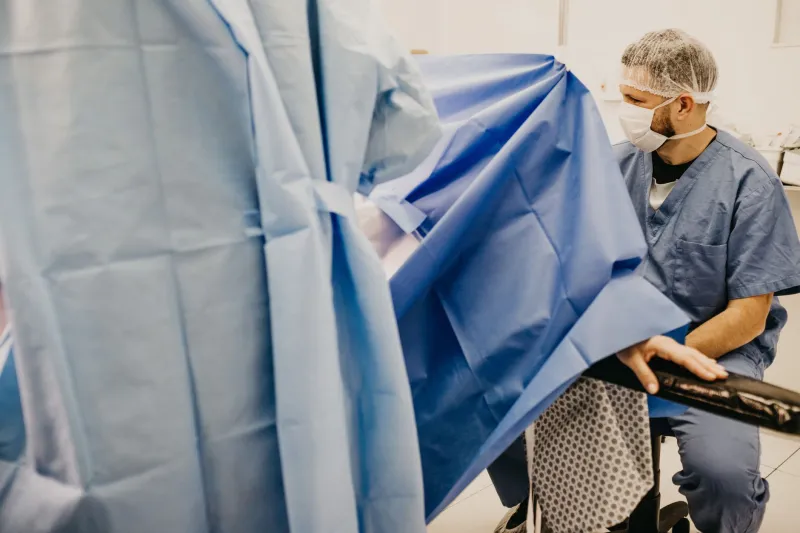
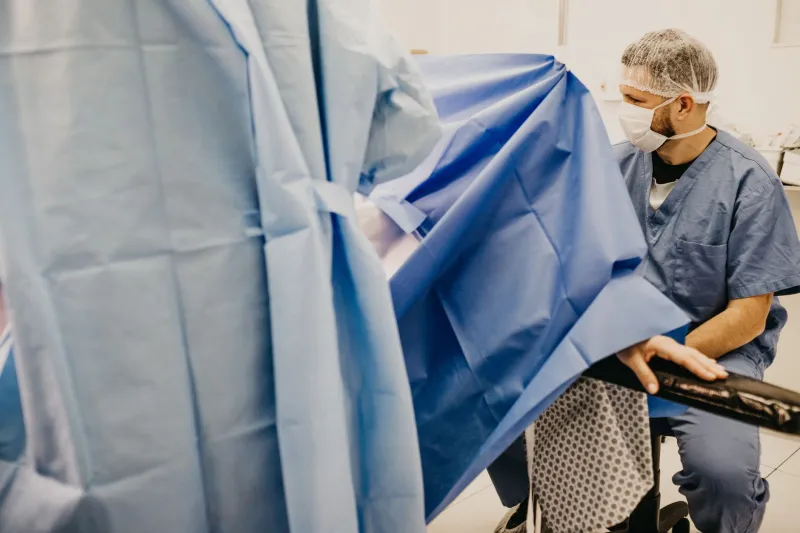
In 2006, the American College of Obstetricians and Gynecologists formally recommended against routine episiotomy. In 2016, the American College of Nurse-Midwives reinforced that position. The evidence has been consistent, peer-reviewed, and widely disseminated for the better part of three decades. And yet, walk into a significant number of American labor and delivery units today, and you will still find practitioners reaching for scissors before the perineum has had a chance to stretch naturally.
This is not a story about bad clinicians. It is a story about how deeply entrenched institutional practices can outlast the science that discredits them—and about what maternal health educators and clinicians must do to close that gap.
What the Evidence Actually Says
The research case against routine episiotomy is not new or contested. Systematic reviews dating back to the early 1990s have consistently demonstrated that restrictive episiotomy use—meaning cutting only when clinically indicated—results in significantly less posterior perineal trauma, fewer sutures, and lower rates of healing complications compared to routine or liberal use.
Specifically, studies show that routine episiotomy is associated with higher rates of third- and fourth-degree lacerations, increased postpartum pain, greater rates of dyspareunia, and longer healing times. The procedure was historically justified on the premise that a clean surgical incision heals better than a spontaneous tear—a premise that the evidence has since refuted in most clinical scenarios.
Indicators for episiotomy do exist. Shoulder dystocia, fetal distress requiring expedited delivery, and certain instrumental delivery contexts represent legitimate clinical decision points. The problem is not the procedure itself. The problem is its application as a default rather than a deliberate, individualized clinical choice.
Why Routine Practice Persists
If the science is settled, why does routine episiotomy remain prevalent in American hospitals and birth centers? The answer lies at the intersection of institutional inertia, liability culture, and training deficits.
Institutional Inertia
Hospital culture is notoriously resistant to change, particularly when a practice has been normalized across generations of clinicians. Senior practitioners who trained during an era when episiotomy was considered standard of care may continue performing it reflexively—and may actively or passively transmit that behavior to residents and students rotating through their units. When a practice is embedded in the unspoken norms of a clinical environment, no formal policy is required to perpetuate it.
Liability Concerns
American obstetric practice operates under significant medicolegal pressure. Some practitioners report that performing an episiotomy feels like a defensible, proactive measure in the event of a poor outcome—even when the evidence does not support that logic. The fear of litigation can override clinical reasoning, particularly in high-pressure delivery scenarios where decision-making time is compressed.
Training Gaps
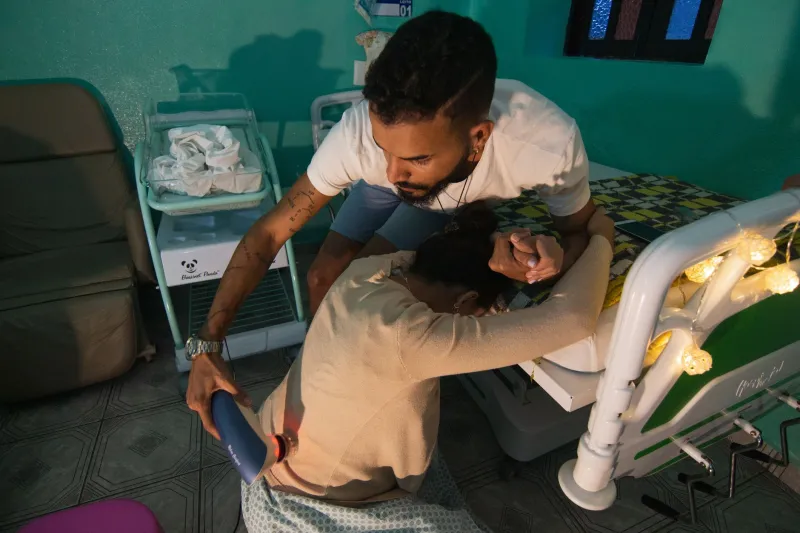
Perhaps most consequentially, many clinical training programs have not adequately updated their perineal management curricula to reflect current evidence. Simulation training for spontaneous perineal support techniques—warm compresses, hands-on perineal massage, positioning strategies—is inconsistently offered. When trainees observe episiotomy performed routinely without critical discussion, the implicit message is that the practice is acceptable, or even preferred.
The Role of Maternal Health Education
This is precisely where institutions like Birth Academy have a responsibility to intervene. Evidence-based perineal care cannot remain an aspirational talking point in a curriculum overview. It must be operationalized through deliberate instructional design.
Training programs should incorporate simulation-based practice for perineal support techniques, including warm compress application, the Ritgen maneuver discussion, and coached pushing modifications that reduce perineal trauma. Trainees need hands-on repetition with these skills before they enter clinical environments where the prevailing culture may pull them toward outdated defaults.
Equally important is teaching clinical trainees to engage in critical appraisal of their practice environments. A midwifery student or resident who can identify an evidence-practice gap—and who has the professional language and institutional frameworks to address it—is better equipped to advocate for their patients than one who has only been taught to execute procedures.
Strategies for Practicing Clinicians
For maternal health professionals already working in settings where routine episiotomy remains common, change rarely happens through individual confrontation alone. The following approaches have demonstrated effectiveness in shifting unit culture:
-
Data transparency: Tracking and sharing episiotomy rates within a unit, benchmarked against national data, can create the organizational impetus for review. Clinicians often respond to comparative metrics in ways that abstract policy arguments cannot achieve.
-
Quality improvement frameworks: Framing episiotomy reduction as a patient safety and quality improvement initiative—rather than a critique of individual practitioners—tends to generate broader buy-in from hospital leadership and medical staff committees.
-
Structured education sessions: Grand rounds presentations, skills labs, and case-based learning focused on perineal management can update clinical knowledge without positioning experienced practitioners as deficient.
-
Informed consent conversations: Ensuring that patients are educated about perineal management options during prenatal care, and that their preferences are documented, shifts some of the decision-making agency to the patient—where it belongs.
A Standard Worth Upholding
The persistence of routine episiotomy in American birth settings is not a reflection of clinical malice. It is a reflection of how difficult it is to dislodge a practice once it has been normalized across decades and institutions. But difficulty is not an excuse for inaction.
Maternal health professionals—whether working in clinical practice, education, or administration—have both the tools and the obligation to align care with evidence. The science on episiotomy has been clear for a generation. The question now is whether our training systems and clinical cultures are finally prepared to honor it.