Sutured in Silence: The Case for Teaching Cesarean Wound Closure as a Core Maternal Health Competency
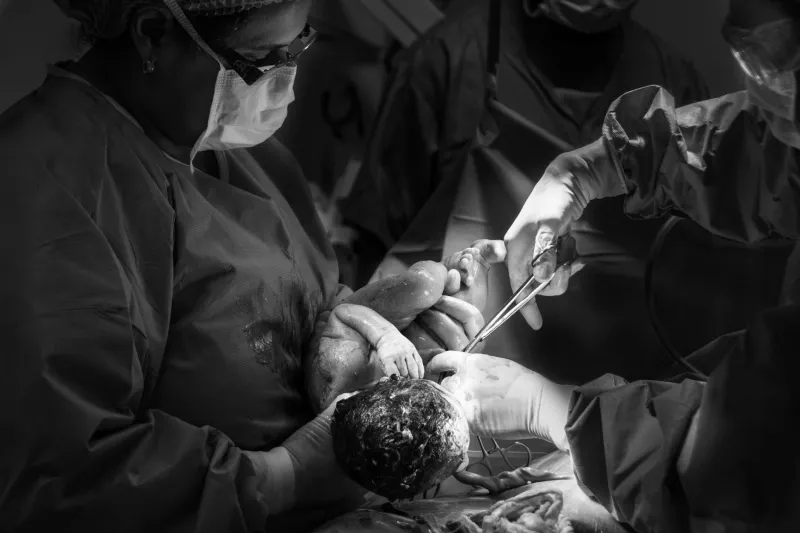
Nearly one-third of all births in the United States are delivered by cesarean section. That statistic has been cited, debated, and lamented across maternal health literature for decades. What receives far less attention is what happens in the minutes after the infant is delivered—specifically, how the surgical wound is closed, and whether the professionals responsible for postoperative care, patient counseling, and long-term follow-up have any meaningful understanding of those decisions.
For most midwives and maternal health practitioners, cesarean wound closure exists at the periphery of their training, if it appears at all. They are educated to support laboring patients, to monitor fetal well-being, to facilitate physiologic birth. The operating room, in the traditional framing of midwifery education, belongs to surgeons. But postpartum care does not. And the way a uterine incision, fascial layer, or skin edge is approximated has direct, lasting consequences that fall squarely within the scope of every maternal health professional who sees patients after delivery.
What the Evidence Actually Shows
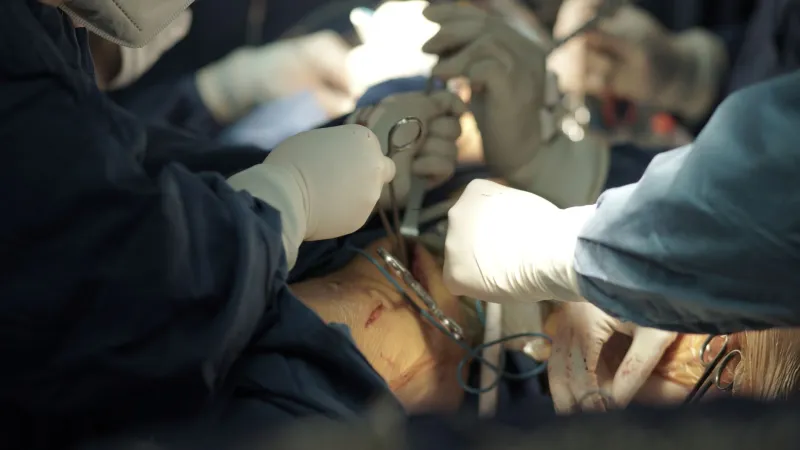
Surgical closure of a cesarean incision is not a single act but a layered series of decisions, each supported—or contradicted—by an evolving body of research. The uterine incision itself may be closed in one or two layers, a choice that carries significant implications for uterine integrity in subsequent pregnancies. Single-layer closure has been associated with thinner uterine scars and a potentially increased risk of uterine rupture in future labors, while double-layer closure appears to restore myometrial thickness more reliably. Yet practice patterns across US hospitals remain inconsistent, driven more by individual surgeon preference than by standardized, evidence-informed protocols.
At the fascial level, the choice between closure and non-closure of the peritoneum—both visceral and parietal—has been the subject of considerable study. Non-closure was once widely promoted as a time-saving measure with no apparent harm. More recent evidence suggests that peritoneal non-closure may contribute to increased postoperative adhesion formation, with downstream effects on future surgical access, fertility, and the risk of placenta accreta spectrum disorders, which are themselves increasing in prevalence alongside rising cesarean rates.
Skin closure presents its own set of considerations. Subcuticular suture, staples, and tissue adhesives each carry distinct profiles with respect to wound dehiscence, infection risk, cosmetic outcome, and patient satisfaction. Research consistently demonstrates that subcuticular sutures are associated with lower rates of wound separation compared to staples, particularly in patients with elevated body mass index. Despite this evidence, staple use remains common in many US delivery settings, often reflecting institutional habit rather than deliberate clinical reasoning.
Why Training Programs Leave This Knowledge Gap Open
The absence of wound closure education in maternal health curricula is not accidental—it reflects a structural assumption embedded in how midwifery and maternal health training has historically been organized. Surgical competency is understood to be the province of obstetric physicians. Midwives, labor nurses, and other maternal health professionals are positioned downstream of the operating room, expected to manage the postpartum period without necessarily understanding the surgical context that preceded it.
This division of knowledge creates a workforce that can recognize a wound complication but cannot contextualize it. A practitioner who does not understand the difference between a single- and double-layer uterine closure cannot meaningfully counsel a patient about her candidacy for a trial of labor after cesarean. A midwife unfamiliar with the evidence on peritoneal closure cannot explain to a patient why her second cesarean carried a higher risk of adhesions than her first. A postpartum nurse who has never been taught to distinguish between suture types cannot accurately assess whether a wound concern warrants escalation or reassurance.
The result is a professional environment in which patients receive cesarean wound care from practitioners who lack the foundational knowledge to make that care genuinely informed. In a healthcare system that increasingly emphasizes shared decision-making and patient autonomy, this is not a minor oversight.
The Downstream Consequences of Undertrained Practitioners
Wound closure decisions made in the operating room do not resolve when the patient is transferred to postpartum recovery. They persist—sometimes for years, sometimes across subsequent pregnancies. Uterine scar integrity, adhesion burden, niche formation at the hysterotomy site, and skin-level healing are all influenced by intraoperative choices that postpartum practitioners will encounter in their ongoing care of these patients.
Niche formation, sometimes called isthmocele, is one example that has gained increasing clinical attention. A defect in the uterine scar at the site of a prior cesarean incision, the niche has been associated with abnormal uterine bleeding, dysmenorrhea, and subfertility. Evidence suggests that closure technique—including the number of suture layers and the method of approximation—may influence niche prevalence and depth. Practitioners who counsel patients about intermenstrual bleeding or irregular cycles following cesarean delivery should, at minimum, understand this relationship. Currently, many do not.
Adhesive disease represents another area where practitioner knowledge gaps carry real consequences. Patients who have undergone multiple cesarean deliveries are at elevated risk for dense adhesion formation, which complicates subsequent surgeries and contributes to placenta accreta spectrum disorders. Maternal health professionals who understand the role of peritoneal closure in adhesion development are better positioned to counsel patients about the cumulative surgical risk of repeat cesareans—a conversation that is both clinically necessary and ethically essential.
What Comprehensive Education Should Include
Incorporating cesarean wound closure into maternal health training does not require turning midwives into surgeons. It requires equipping them with the conceptual and clinical knowledge necessary to provide informed postpartum care, deliver accurate patient counseling, and recognize the long-term significance of decisions made in the operating room.
At a minimum, training programs should address the evidence base for uterine closure techniques and their implications for subsequent pregnancy outcomes. Curricula should include instruction on peritoneal closure and its relationship to adhesion formation. Skin closure methods—their indications, their comparative outcomes, and their relationship to patient-reported satisfaction—deserve dedicated attention, particularly as they intersect with wound assessment skills that midwives and nurses already exercise in postpartum settings.
Beyond technique-specific knowledge, programs should cultivate the capacity to translate this information into patient-centered conversations. A practitioner who understands the evidence on wound closure should be able to discuss it with a patient who is planning a cesarean, considering a subsequent pregnancy, or experiencing a postoperative complication. That translation is not a surgical skill. It is a communication skill, and it belongs fully within the scope of maternal health education.
Simulation-based learning, case study integration, and collaborative curriculum development with obstetric surgical faculty represent viable pathways for programs seeking to close this gap. Cross-disciplinary education—in which midwifery students and obstetric residents learn foundational wound closure concepts together—may also strengthen the professional relationships that ultimately serve patients best.
A Profession That Follows Patients Beyond the OR Must Understand What Happens Inside It
The argument for including cesarean wound closure in maternal health education is not that every practitioner needs to perform surgery. It is that every practitioner who cares for surgical patients needs to understand what was done to them and why it matters. In a country where cesarean birth is a routine clinical reality, that understanding is not a specialty interest. It is a baseline competency.
Birth Academy maintains that evidence-based education must follow patients wherever the evidence leads—including into the operating room, at least conceptually. Closing the wound closure knowledge gap is not a peripheral curricular adjustment. It is a necessary step toward a maternal health workforce prepared to care for the full complexity of the patients it serves.